
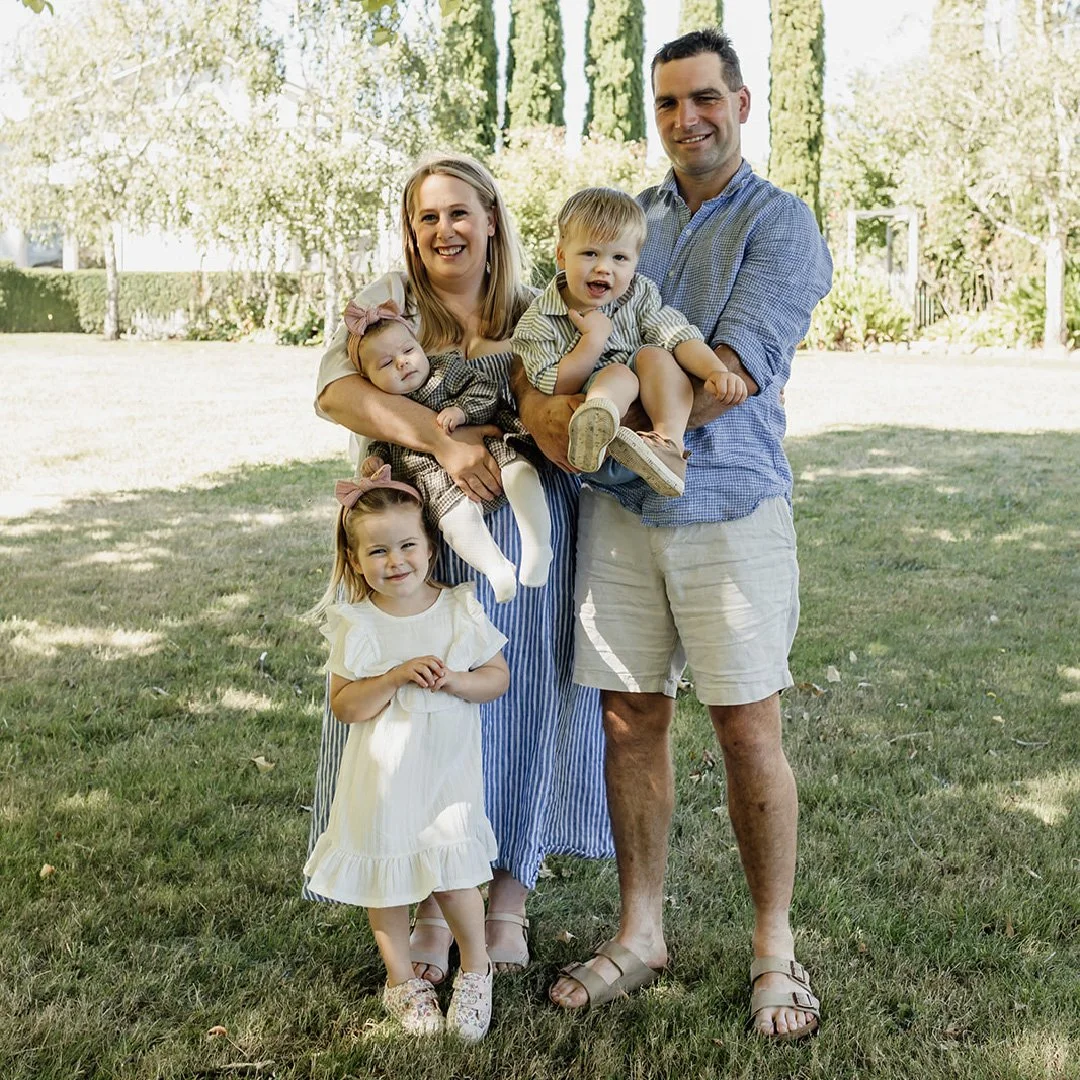
For Danni Wright, fire season becomes real when the front lawn needs watering: "You look out from the verandah and see the trees blowing in a hot wind, and dry grass in the paddock across. It's a very eerie feeling."
Danni and Tom Wright milk a Friesian herd at Panmure, near Warrnambool in South West Victoria. Tom is the sixth generation of the Wright family to run the farm, which the family has worked for more than 180 years.
The couple took over in March 2016 and in October 2025 launched Gully View Dairy, turning milk from their own herd into small-batch butter, cream, buttermilk and flavoured milk.
The farm is surrounded by bush, with a creek along the back and only two ways out, so a bushfire plan isn't optional.
We asked Danni how they prepare the farm, the dairy and the herd for bushfire season.
How is the season shaping up?
"Our season is generally a little later than most here in the South West. We're still in the throes of harvest. The soil is drying off but still has some moisture in it, and the grass is still growing and providing great feed for our cows."
After two years of drought, water is front of mind. Their fire plan hasn't changed this year, but they're looking to add more water storage over the next 12 months.
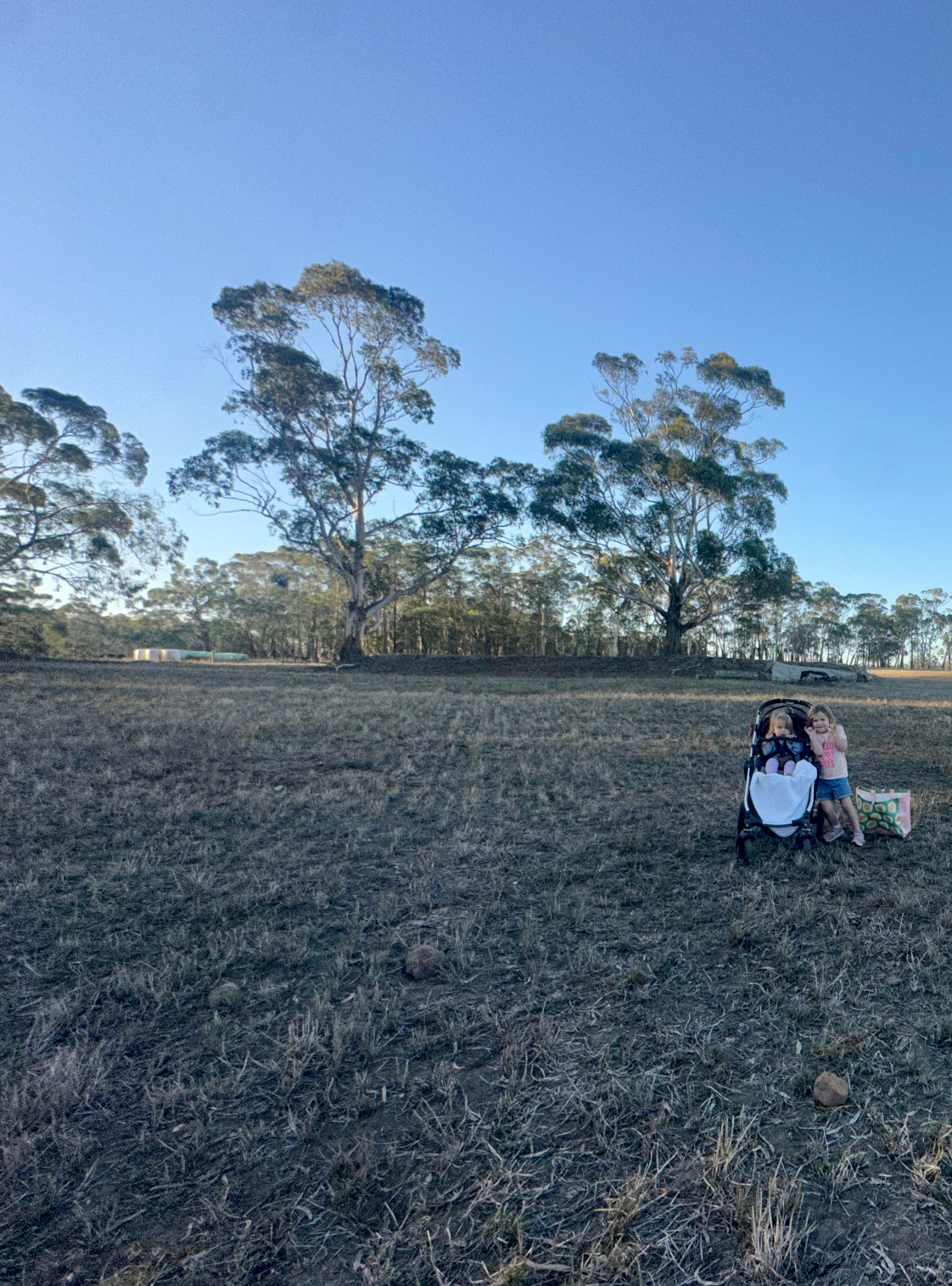
A paddock on the Wrights’ farm at Panmure during drought.
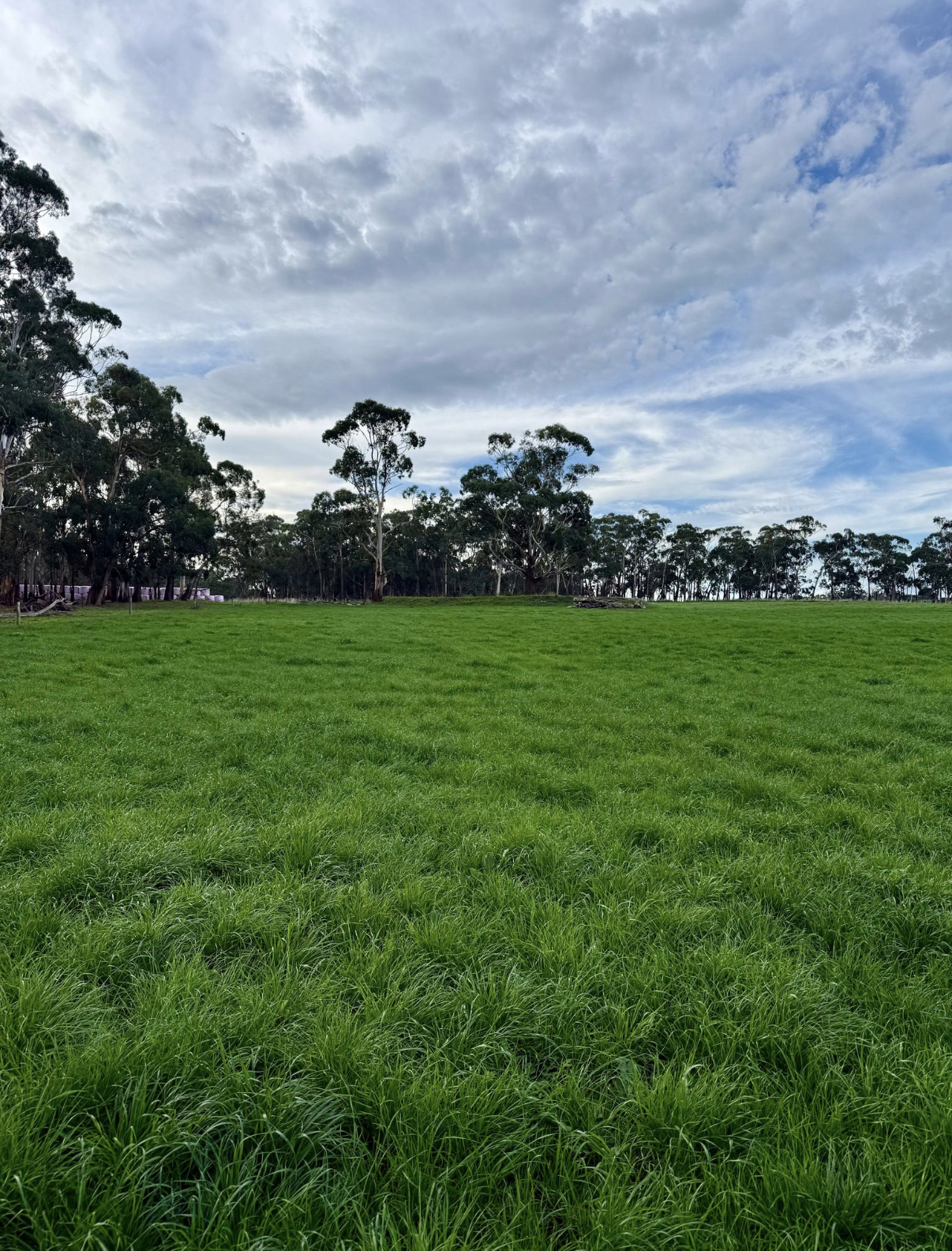
The same paddock twelve months later.
What does your fire plan look like?
"For a long time it was mostly in our heads. Tom and I knew what we'd do. Now it's written down, stored over at the dairy and accessible through our cloud."
The plan is kept to a single page; it covers who does what, where the water and pumps are, and all the important phone numbers.
The big decisions are made early: "On Extreme or Catastrophic days we decide the night before what's happening, not on the day. The farm is something we can run on our own, so if a fire is in the area we opt to have no other people on the farm."
How do you protect the dairy shed, vat and pumps?
The dairy area is largely cleared of trees and surrounded by gravel. "In a fire we'd protect those assets by watching for spot fires and keeping everything damp."
What's the plan for the herd if you need to move them quickly?
"Get them to the dairy and keep the sprinklers on them, or shift them to a crop paddock that's green and largely clear of trees."
What's the one thing you wish every dairy farmer did before summer?
"Get all your records into a secure folder on a cloud-based system: insurance documents, personal documents and cow information. Then when you're leaving the house with the kids, or leaving it to protect the cows or the dairy, you don't have to scramble to find them. You can access them from anywhere."
Bushfire insurance checklist for dairy farmers
Danni's plan works because the decisions are made before the bad day. The same goes for insurance. Here's what we suggest dairy farmers check before fire season.
1. Know where your policy is, and what's in it. Take Danni's advice: put your policy schedule and our contact details in a cloud folder you can open from your phone, then read the schedule. If you can't tell what's covered, call us.
2. Plan for lost milk income. A fire can stop milking, damage pasture and cut off the tanker for weeks. Ask us about cover for lost income and extra costs, such as agistment, bought-in feed or contract milking while you rebuild.
3. Check your dairy plant and vat. Make sure the dairy shed, vat, milking plant, pumps and refrigeration are insured for what they'd cost to replace today, not what they cost when they went in.
4. Ask about milk spoilage. Check whether you're covered if milk in the vat spoils because the power goes out or the tanker can't get through.
5. Review your livestock cover. Confirm whether your cows are covered for fire, and that the value matches the current value of your herd.
6. Update hay, silage and fodder figures. The amount insured should match what's stored on the farm this summer. Spreading stacks across sites also limits how much one fire can take.
7. Don't forget farm technology. Virtual fencing collars and towers are usually yours to insure once they're on the farm.
8. Tell us if you've diversified. Like Danni, more farmers are processing, selling at markets or running a farm shop. A standard farm policy may not cover processing equipment, product stock or product liability, so check it does.
9. Know your liability if a fire starts on your property. A fire from machinery or a burn pile that spreads to a neighbour can lead to a large claim. Check your public liability limit and follow fire danger restrictions.
Talk to us before summer
Danni and Tom make their big decisions the night before, not on the day. Insurance works the same way: the time to check your cover is before you need it. To have us check your dairy's insurance before fire season, call or email us. We'll go through it with you and make sure it matches how your farm runs this summer.
Thanks to Danni and Tom Wright of Gully View Dairy for sharing their expertise and insights with us.
This article provides information rather than financial product or other advice. The content of this article, including any information contained in it, has been prepared without taking into account your objectives, financial situation or needs. You should consider the appropriateness of the information, taking these matters into account, before you act on any information. In particular, you should review the Product Disclosure Statement (PDS) for any product that the information relates to before acquiring the product.
Information is current as at the date the article is written as specified within it but is subject to change. Dairy Protect make no representation as to the accuracy or completeness of the information. All information is subject to copyright and may not be reproduced without the prior written consent of Dairy Protect.